

How a Free Shipping Bar Can Increase Your Magento 2 Store’s Average Order Value
Shipping costs are a common reason shoppers abandon a cart. Here’s how a free shipping bar nudges them to add one more item instead.
How to choose the platform that fits your business, so you don’t have to move your data and retrain your team later.
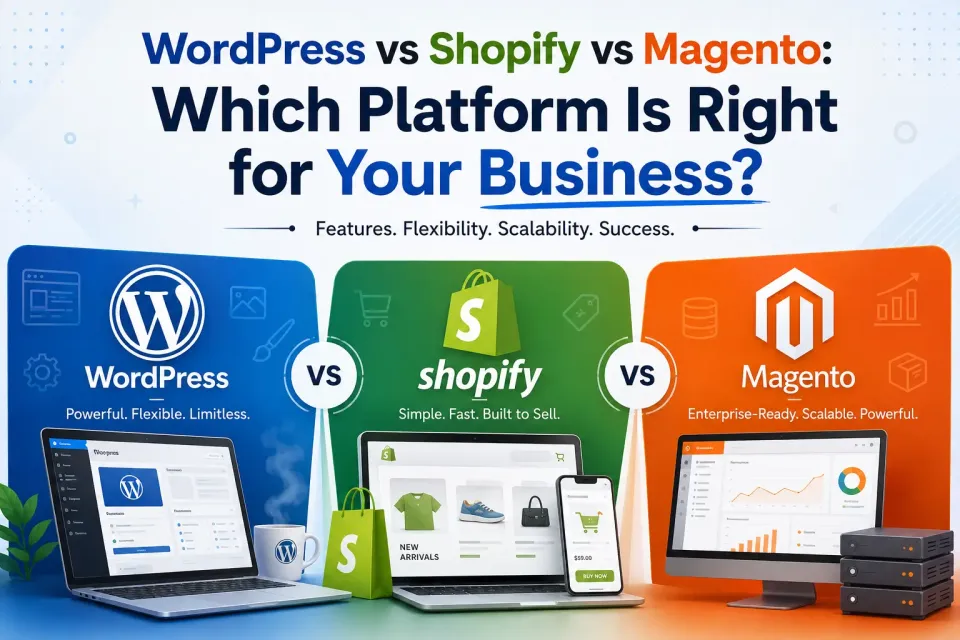
Choosing a website platform is a decision, for business owners. If you pick the one you will have to move all your data train your team again and tell customers why things look different.. If you pick the right platform it will just work well for a long time and you can focus on growing your business.
WordPress, Shopify and Magento are the three names that people talk about over and over.. There is a good reason for this. These three WordPress, Shopify and Magento work together to power a big part of the websites and online stores that are on the internet. However WordPress, Shopify and Magento are made for things so the best one, for you depends on what you want to do with WordPress, Shopify or Magento.
This guide gives you the lowdown on each platform. It compares them based on what counts. That way you can find the fit for your business.
The guide helps you make a decision that suits your business needs. It is honest, about each platforms strengths and weaknesses. You will know which one to choose after reading it.
If you want to know the idea before getting into all the details:
Now let us look at why this the case.
WordPress began as a tool for bloggers and it has become the most popular system for managing content on the internet. WordPress is used for blogs, news websites and big company websites. When you add the WooCommerce plugin to WordPress it also works well for shopping so WordPress is a good choice, for people who want to sell things on the internet.
Strengths:
Weaknesses:
Best for: bloggers, agencies, service businesses, content publishers, and small-to-medium stores that want maximum design and content flexibility without locking into a single e-commerce ecosystem.
Shopify is a fully hosted e-commerce platform built specifically to sell products online. You don’t manage servers, install security patches, or configure a payment gateway from scratch — Shopify handles the infrastructure so you can focus on the storefront and the products.
Strengths:
Weaknesses:
Best for: retailers and direct-to-consumer brands that want to start selling fast, scale predictably, and avoid managing technical infrastructure.
Magento, now part of Adobe and rebranded as Adobe Commerce for its paid tier, is an open-source e-commerce platform built for businesses with complex, high-volume catalogs. It’s the platform of choice for many large retailers because of how deeply it can be customized.
Strengths:
Weaknesses:
Best for: established or enterprise-level businesses with complex catalogs, custom workflows, and the budget to support a dedicated development team.
| Factor | WordPress | Shopify | Magento |
|---|---|---|---|
| Best for | Content sites, small-medium stores | Growing online stores | Large, complex catalogs |
| Setup difficulty | Moderate | Easy | Advanced |
| Hosting | Self-managed or third-party | Fully hosted | Self-managed or cloud |
| Upfront cost | Low | Low to moderate | High |
| Ongoing cost | Variable (hosting, plugins) | Predictable subscription | High (dev, hosting) |
| Customization | Very high | Moderate | Very high |
| SEO and content tools | Excellent | Good | Good |
| Scalability | Good with the right setup | Strong, built for scale | Excellent for high volume |
| Technical skill needed | Some | Minimal | Significant |
There’s no universally “best” platform among WordPress, Shopify, and Magento — only the best fit for where your business is today and where it’s heading. WordPress rewards businesses that value content and flexibility. Shopify rewards businesses that want to sell quickly without managing infrastructure. Magento rewards businesses with the scale and technical resources to take full advantage of deep customization.
The smartest move is to match the platform to your actual constraints, not to your aspirations. You can always migrate as your business grows; choosing the right starting point just means you’ll spend less time rebuilding and more time growing.
More guides from the Magexweb blog.
Shipping costs are a common reason shoppers abandon a cart. Here’s how a free shipping bar nudges them to add one more item instead.
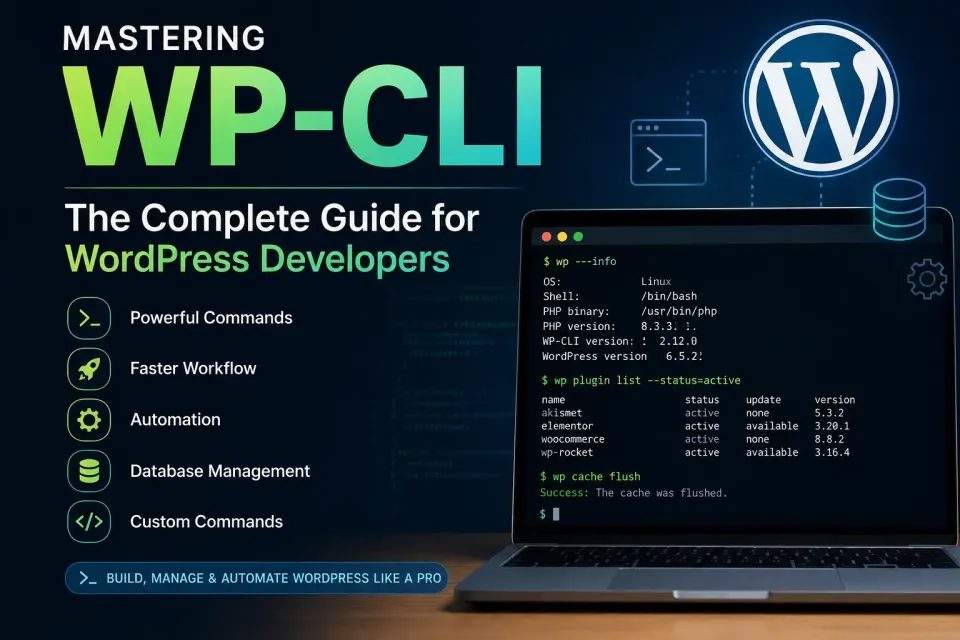
Install plugins, update themes, manage users and run database tasks from the terminal in seconds, instead of clicking through the admin.
Why patching on time matters, and how to install Magento 2 security patches with Composer or by hand.
Upgrades, security patches and platform moves are what we do every day. Tell us what your site needs, and we will reply with questions and next steps.
0 Comments
No comments yet. Be the first to comment.
Leave a Comment
Please sign in to comment. Sign in